

Uncovering the Asbestos risk in everyday products
First some history
People have mined and used asbestos (a silicate mineral) for household and industrial purposes for approximately 4,500 years.
For household purposes, ancient civilizations used this silicate mineral to make cooking utensils, storage pots, and wicks. They weaved it into linen, made napkins, etc.
Industries used it to strengthen and insulate buildings and even used it in warfare, thanks to its fire-resistant properties.
It wasn’t until approximately 2,500 years after the discovery of this substance that a philosopher named Pliny the Younger (61–112 AD) made a critical observation. He noted that people who mined and worked with this mineral fell ill from exposure. Sadly, no one paid attention, and it would take another 2,000 years before modern scientists recognized some of the dangers.
Let me point out that using asbestos to construct structures did not end in ancient times. Some countries are shockingly still using it! Thankfully, there are many countries that began phasing out this harmful mineral from the 1970s. While some latecomers are still phasing it out. For more details about the countries still using this harmful mineral and the countries that have phased it out, you can read this short article by the World Health Organization. Here’s also an article from asbestos.com that offers further insight.
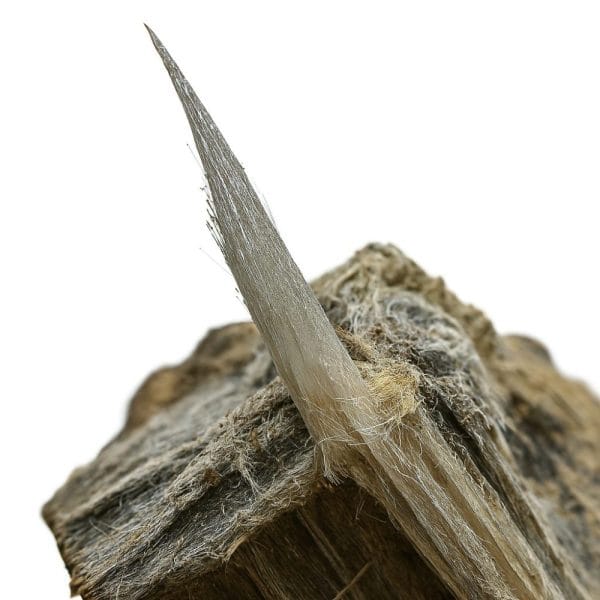
Health Risks of Asbestos Exposure
Subtle exposure can take 15 to 40 years to show noticeable symptoms. Many people only discover the damage after falling seriously ill and undergoing medical testing.
People face serious health risks from asbestos exposure across sectors like mining, industry, household use, baby care, and cosmetics. Below are the health risks linked to asbestos exposure:
People develop asbestosis, a chronic lung disease, after inhaling asbestos fibers. Pleural disease affects the lining of the lungs, often after prolonged exposure. Mesothelioma is a rare and aggressive cancer that forms in the lining of the lungs, abdomen, or heart—almost always caused by asbestos exposure.
Asbestos exposure can lead to laryngeal cancer.
Ingesting or inhaling asbestos fibers can trigger cancer in the digestive tract.
Many individuals exposed to asbestos develop lung cancer over time.
Women exposed to asbestos may face an increased risk of ovarian cancer.
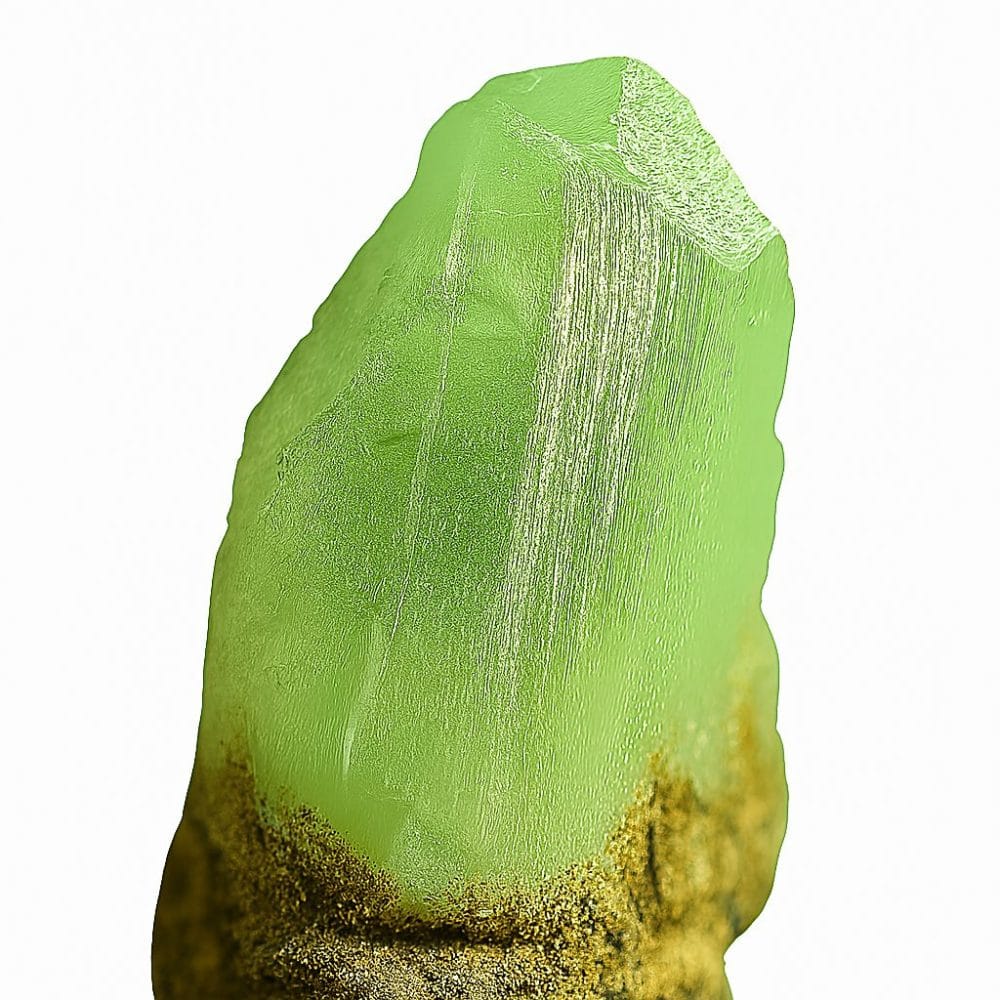
Asbestos in Cosmetics
I’m not going to say that the presence of asbestos in cosmetics and baby and body care happens on purpose. Researchers first found traces of it in these products at the beginning of the 20th century. This all started with the discovery of talc, which is a crystal. Coincidentally, talc and asbestos coexist and grow in proximity. Miners often mistakenly extract asbestos particles along with talc, and these particles end up ground into powder with the talc crystals. And what is Talc mostly used for?
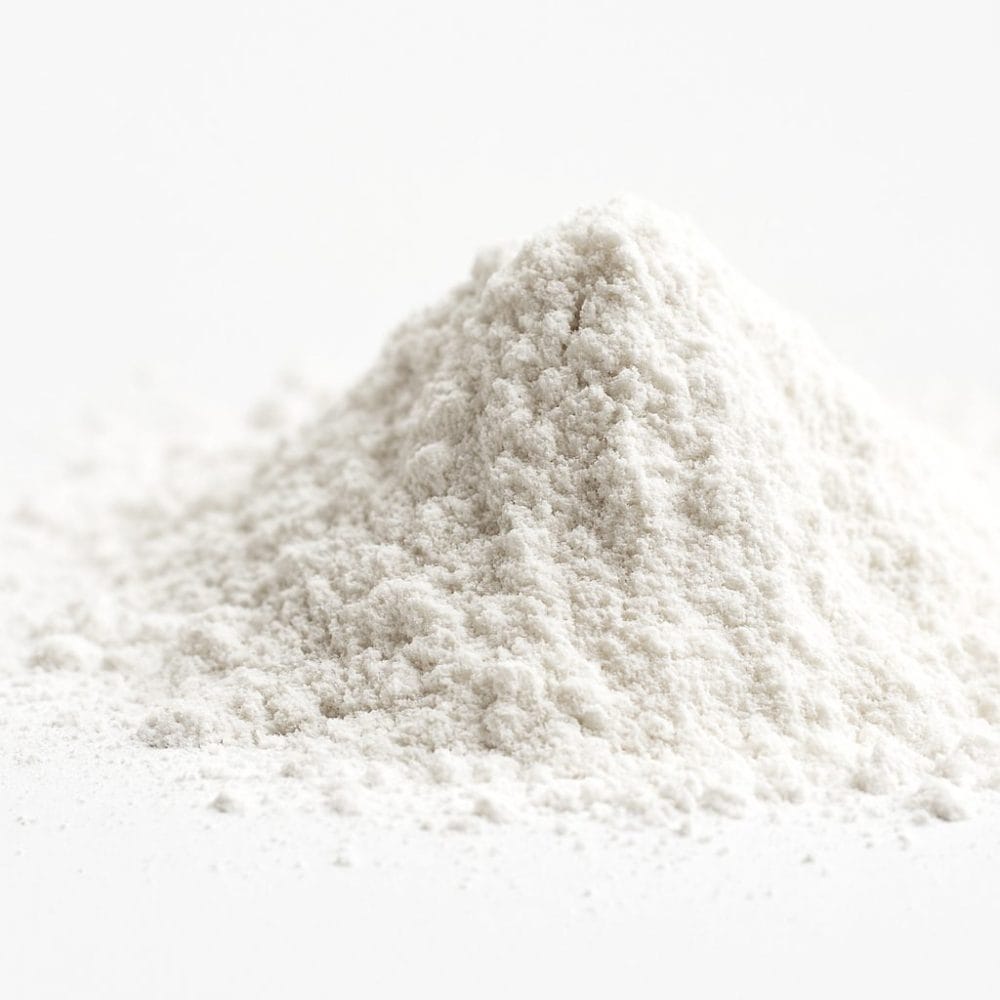
Powder
Yes, Powder! The stuff we liberally sprinkle on our babies in the form of baby powder and even ourselves. The soft, white powder we have all trusted since the beginning of its manufacture over 130 years ago! Even the face powder, whether loose or compact, which women use daily. What does powder consist of? Mostly use talc, also known as talcum powder. Manufacturers sometimes mix the powder with other ingredients, depending on the type of product needed. And as mentioned, miners accidentally extract asbestos along with talc, which then gets ground into powder with the talc crystals. I’m not making this up; I will share a snippet of a Wikipedia article soon.
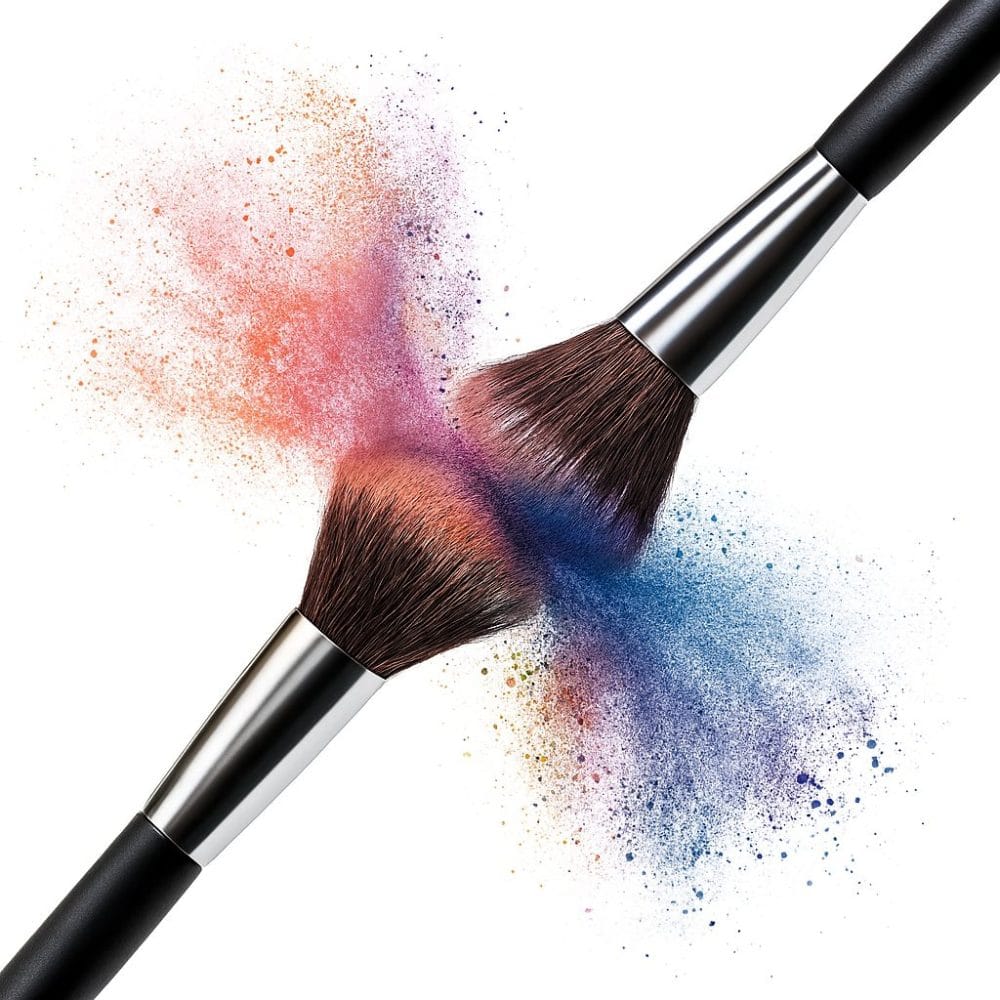
Makeup
Talc is widely used in various types of makeup because of its anti-caking, smoothing, covering, and moisture-absorbing properties. Here is a list:
Face Powder, including finishing and setting powders
Foundation: powder and liquid
Bronzer
Concealer
Eye shadow
Blush
Lipstick
Mascara
Eyeliner
Eyebrow Pencils
Children’s Makeup
Face Paint
Aerosol sprays like dry shampoo and body sprays.
I could write this article into a full book; that’s how much there is to cover. But I will only elaborate on children’s makeup, because I feel that is what is most urgent for parents.

Children’s Makeup
The question is… why do people use makeup on children? Let them be young for as long as possible. Still, we know there are beauty pageants, modeling shows, dress-up parties, birthday parties with face painting, and more.
When my daughter was a little girl, she often came home from parties—and even kindergarten—with her face painted. This is very close to my heart. I remember how cute she looked painted like a cat or a fox. And now, knowing that this harmful substance could possibly be present in face paint and children’s makeup makes me very upset.
Did you know that talc is used in almost every single item in a children’s makeup kit? That means your little ones could be exposed to this harmful mineral every time you indulge them with this adult “spoil.”
Before I go off on a rampage, let me share the below snippet from an article on asbestos.com:
[How Asbestos Ends Up in Makeup
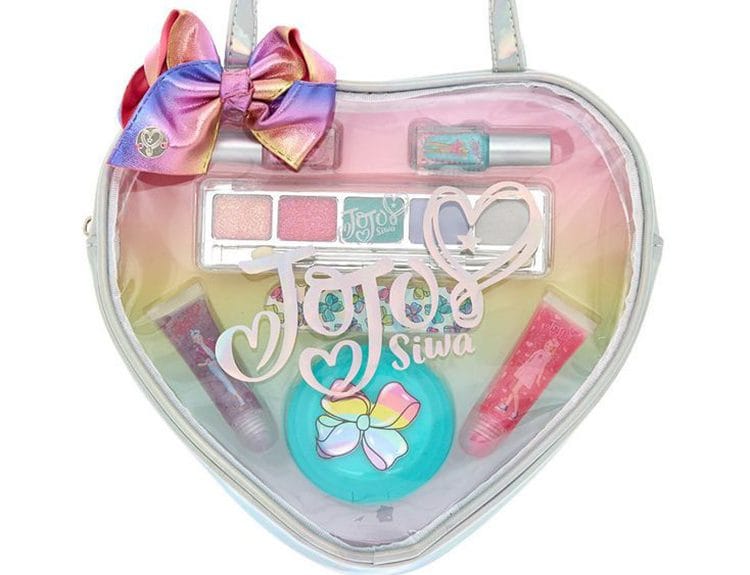
Jojo Siwa Makeup Set tested positive for asbestos.
Asbestos ends up in makeup because of poor regulations involving cosmetic-grade talc, which is also known as talcum powder. Talc and asbestos are minerals that form together. That means talc mined for commercial uses can be contaminated with asbestos — a known cause of lung cancer and mesothelioma.
There is a long history of asbestos remaining in talc that is certified asbestos-free. Manufacturers don’t purposely add asbestos to cosmetics, but there is a lack of regulation around cosmetic-grade talc. Because of that relaxed oversight, no one is checking for the presence of asbestos. That means companies can get away with not testing their talc for asbestos before putting it into their products — possibly harming consumers.
The U.S. Food and Drug Administration does not regulate cosmetic-grade talc. The federal Food, Drug and Cosmetic Act of 1938 does not require the FDA to review cosmetic products and their ingredients, with the exception of color additives.
In 1976, the Cosmetic, Toiletry and Fragrance Association (now known as the Personal Care Products Council) asked its members to use asbestos-free talc in their products. While the FDA says that it “considers it unacceptable for cosmetic talc to be contaminated with asbestos,” there are no U.S. laws or regulations that strictly prohibit talc used in consumer products from containing asbestos.]
You can read the full asbestos.com article here.
As promised, below is a snippet of a Wikipedia article about talc and its ‘association with asbestos’:
[Association with asbestos
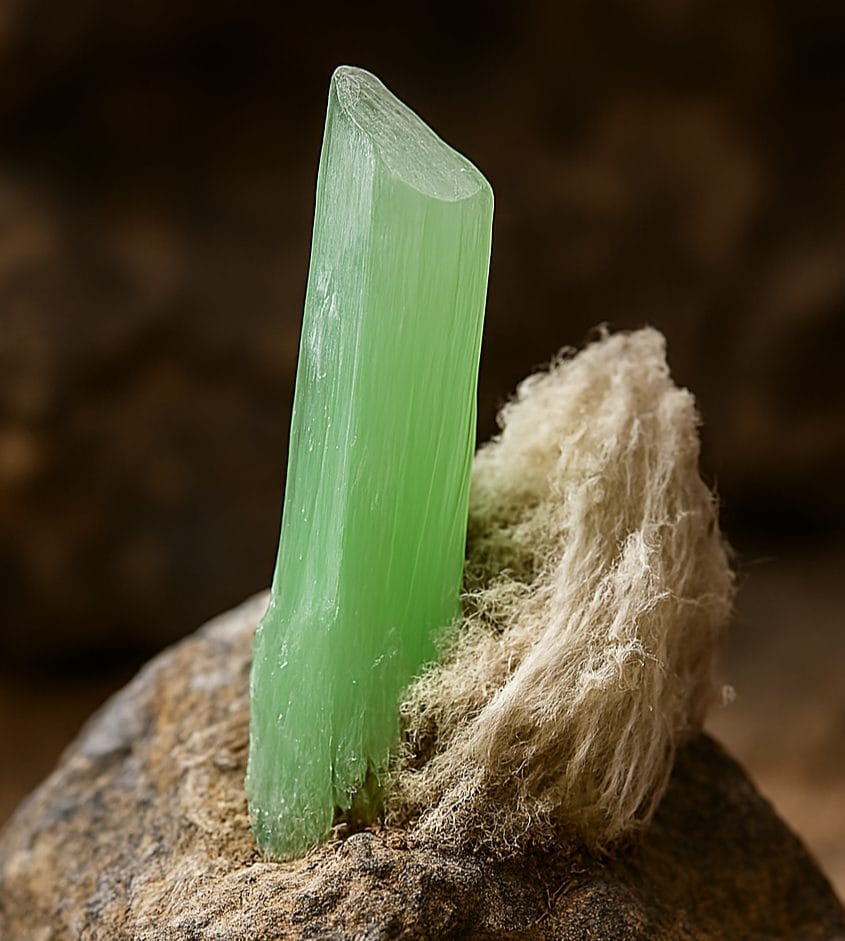
One particular issue with commercial use of talc is its frequent co-location in underground deposits with asbestos ore. Asbestos is a general term for different types of fibrous silicate minerals, desirable in construction for their heat resistant properties.There are six varieties of asbestos; the most common variety in manufacturing, white asbestos, is in the serpentine family. Serpentine minerals are sheet silicates; although not in the serpentine family, talc is also a sheet silicate, with two sheets connected by magnesium cations. The frequent co-location of talc deposits with asbestos may result in contamination of mined talc with white asbestos, which poses serious health risks when dispersed into the air and inhaled.]
You can read the full article here
What you should take away from this article:
Not everything natural is healthy. Just look at asbestos; it’s natural, but it’s really harmful!
Be very careful what you use on your body, on your face and what you inhale by accident.
Please check ingredient labels before you buy! If a product contains talc, do not buy it. Why take the risk? It’s unnecessary. In fact, check your ingredient labels for other harmful ingredients like sulphates, parabens, parfum, PFAS chemicals, etc.
Look for natural products that are healthy; check those ingredients as well.
If you want to use a natural, healthy powder on yourself and your children, look for…
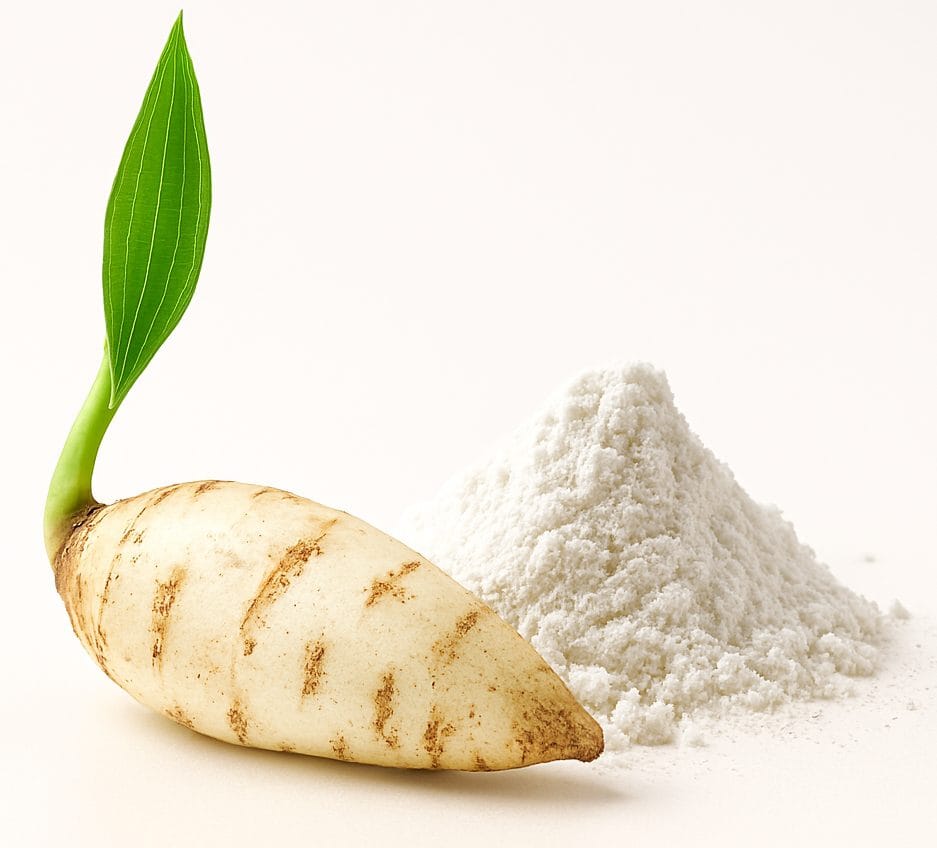
Arrowroot Powder
Arrowroot powder is a natural, talc-free/asbestos-free option that offers numerous benefits:
Safe and Natural: Arrowroot powder is derived from the roots of the arrowroot plant, making it a pure, healthy and natural product.
Absorbent: It effectively absorbs moisture, keeping the skin dry and reducing the risk of irritation.
Gentle on Skin: Suitable for all skin types, including sensitive skin, arrowroot powder soothes and calms the skin.
Versatile: It can be used in homemade body powders, used as a face powder, used in deodorants and used in cooking.
By choosing arrowroot powder, you can enjoy the benefits of a natural, healthy product. And you will be avoiding the potential health risks associated with talcum powder.
As always, please be careful about inhaling any powder while using it, even one as healthy as arrowroot. And please do a small patch test before use.
Hope this helps you!
Christina xx
Resources:
Mesotheliomahelp.org
atsdr.cdc.gov
www.msha.gov
www.cancer.org
www.cancer.gov
asbestos.com (asbestos in makeup)
asbestos.com (mesothelioma worldwide)
www.iarc.who.int
zaneslaw.com
drugwatch.com
Wikipedia.org
Leave a Reply