

What is PFAS?
PFAS stands for Per- and Polyfluoroalkyl Substances—a group of man-made chemicals designed to resist heat, water, and oil. Manufacturers have used these chemicals in everything from non-stick cookware and waterproof clothing to cosmetics, food packaging, and industrial materials—because of their heat, water, and oil-resistant properties.
But here’s the part that’s deeply concerning: these chemicals don’t break down easily. In fact, they can take up to 1,000 years to degrade. Once manufacturers, consumers, or waste systems release them into the environment, these chemicals linger. And while they linger, they leach toxins into our soil, water, air, and bodies.
People call them ‘forever chemicals’ for a reason. These compounds persist, resist breakdown, and spread toxic effects through ecosystems and human health.
Before I show you where they’re hiding in everyday products, let’s sit with that for a moment. “Manufacturers have woven these long-term threats into the fabric of modern life. They are far more than just ingredients.
Health risks associated with exposure to PFAS chemicals:
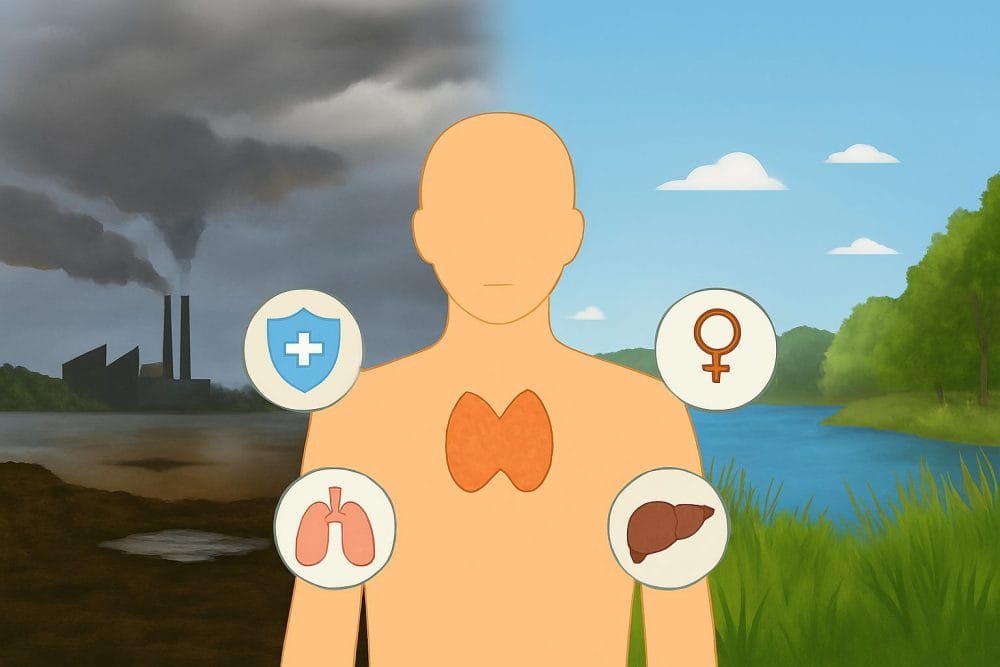
Cancer
Testicular, kidney, thyroid, pancreatic, and breast cancer (some studies suggest a link), along with increased risk of various other types.
Reproductive Issues
Reduced fertility, pregnancy complications, low birth weight, preterm birth, and possible links to endometriosis and polycystic ovary syndrome (PCOS).
Thyroid Problems
Increased risk of thyroid disease, hormone disruption, hypothyroidism, hyperthyroidism, and autoimmune thyroid disorders.
Immune System Dysfunction
Weakened immunity, higher susceptibility to infections, autoimmune conditions like lupus and rheumatoid arthritis, allergic reactions, and reduced vaccine efficacy.
Hormone Disruption
Imbalances in estrogen and testosterone, disrupted puberty development, menstrual irregularities, and potential links to PCOS and endometriosis.
Neurological Concerns
Exposure has been linked to ADHD, autism spectrum disorders, and reduced cognitive function.
Cardiovascular Disease
May increase the risk of high blood pressure, heart disease, and stroke.
Metabolic and Weight-Related Issues
Linked to changes in metabolism, insulin resistance, and obesity.
Digestive Health
May contribute to inflammatory bowel disease, ulcerative colitis, and other gastrointestinal conditions.
Respiratory Conditions
Can exacerbate asthma and other breathing-related issues.
Neonatal and Infant Health
When pregnant women come into contact with these chemicals, they may face risks like low birth weight, preterm birth, and other early-life health concerns.
Bone Health
May affect bone development and density, potentially leading to conditions like osteochondrosis.
Oral Health
Some studies suggest a link to dental caries and other oral health problems.
PFAS in Cosmetics
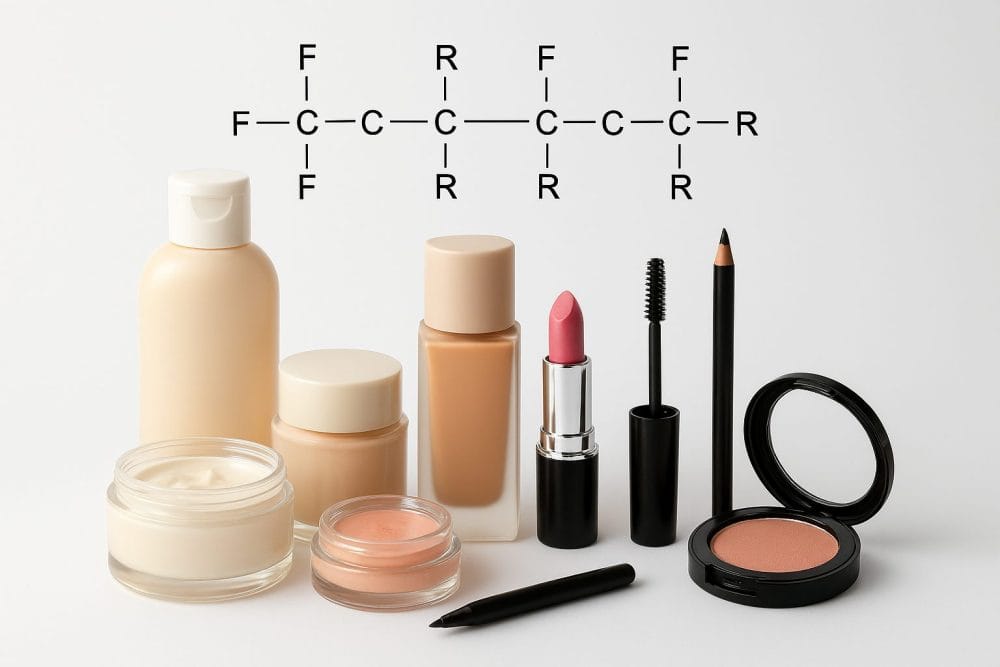
Now that you know how these chemicals can harm you, here’s a breakdown of products—both household and industrial—where they might be present.
Liquid foundation may contain them for smooth texture and water-resistance. Cream foundation often uses them for durability, while powder foundation is less likely to contain them, though some formulations still do.
Water-resistant or waterproof mascara is likely to include them for water-repelling properties. Non-waterproof versions are less likely, but not guaranteed to be free.
Lip balms with long-lasting or water-resistant claims may contain them for texture and durability. Traditional balms are less likely to include them, but it’s not a certainty.
Liquid and gel eyeliners may use them for smooth texture and durability. Pencil eyeliners are less likely to contain them, though some still might.
Some concealers include these compounds to create a creamy texture and improve blendability. Setting powders, mineral powders, and pressed powders may use them to enhance water-resistance and texture. Cream or gel blushes, highlighters, brow pomades, eyeshadows, primers, and setting sprays may also contain them for improved texture, shine, or staying power.
But wait—Cosmetics aren’t the only concern.
These chemicals may also be present in body washes, exfoliating scrubs, lotions, sunscreens, and self-tanners. Skincare products like moisturizers, serums, eye creams, masks, and acne treatments may also be affected. Haircare isn’t exempt either—shampoos, conditioners, masks, styling products, dyes, and smoothing treatments may contain them.
Other everyday items like dental floss, mouthwash, nail polish, perfumes, tattoo ink, and cosplay or special effects makeup may also be contaminated.
Manufacturers often add these chemicals to beauty and cosmetic products to create waterproofing, moisturizing, skin-gliding, and anti-aging effects. But the long-term harm they cause to your body and the environment far outweighs any short-term benefits.
What to Look For
I know this information might feel shocking, but I’m sharing it to raise awareness—and hopefully inspire more conscious choices.
While some well-known brands have been named in studies, smaller companies may also be affected. That’s why checking ingredient labels—or reaching out to brands directly—can be a powerful act of self-protection.
On the brighter side, some companies have committed to removing these compounds or never used them to begin with. If you’re unsure, look for brands that prioritize transparency and offer clear ingredient policies.
Before buying cosmetics or any product for that matter, please look at the labels. Look for ingredients ending in “-fluor” or “-perfluor,” such as perfluorooctanoic acid (PFOA) or perfluorooctane sulfonate (PFOS). Also avoid products with sulphates, parabens, parfum, fragrance, complicated chemical names, etc. If unsure, google the ingredients and their properties.
PFAS in Daily Life

PFAS aren’t limited to cosmetics. They show up in many everyday items we use and trust.
I’ve shared a lot in this cosmetic section to keep you informed—because staying aware protects you far more than staying uncertain. Now let’s move into the next category: a wide range of products, from food packaging to clothing, that manufacturers may treat with these chemicals to make them waterproof, oil-resistant, or more durable.
Hidden in Packaging: Where PFAS Chemicals Linger in Your Food
Manufacturers often treat paper wrappers for burgers and fries, molded fiber salad bowls, takeout bags, microwave popcorn bags, pizza boxes, and food trays with grease-resistant coatings to prevent leaks—and those coatings may contain harmful chemicals. That treatment often involves these harmful compounds.
Some companies have committed to reducing or eliminating them from their food packaging:
McDonald’s has pledged to phase them out by 2025. Burger King is working to reduce their presence. Cava, Chipotle, Panera Bread, Sweetgreen, and Whole Foods Market have all committed to eliminating or avoiding them in their packaging.
From Jackets to Pans: Everyday Items That May Be Contaminated
Waterproof Clothing & Gear Rain jackets and pants—especially those from brands like The North Face, Patagonia, or Columbia—may contain these compounds to repel water and stains. Waterproof gloves, shoes, and boots (including Gore-Tex or eVent) may also be affected. Ski and snowboard gear, tents, camping equipment, waterproof bags, backpacks, and phone cases often rely on them to stay dry and stain-resistant.
Not all waterproof clothing contains these chemicals, and some brands now offer safer alternatives. Always check product labels or contact the manufacturer to confirm.
Non-Stick Cookware Manufacturers introduced Teflon in the 1940s, embedding PTFE—a type of persistent compound—into its non-stick coating. PTFE belongs to the broader PFAS chemical family, which means even pans labeled “Teflon” or “PTFE” may contribute to long-term exposure. Brands like T-fal, Calphalon, and All-Clad continue to use PTFE coatings in many of their pans, which may contain these chemicals. Even some ceramic-coated pans, though generally considered safer, can still carry traces depending on how they’re made.
Brands like GreenPan, All-Clad, and Calphalon now offer PFAS-free options. When shopping, look for labels like “PFOA-free” or “PTFE-free,” and consider ceramic or cast iron alternatives.
Beyond the Kitchen: Industrial and Everyday Sources
Industrial and Household Materials Firefighting foam is a major source of contamination due to its effectiveness. Food processing equipment, textiles, upholstery, and fire-resistant clothing may also contain these compounds. Manufacturers use these chemicals in semiconductors, electronics, aerospace materials, medical devices, and oil and gas extraction equipment.
Construction Materials Waterproof membranes, sealants, adhesives, roofing, and insulation materials may be affected. Some paints—especially water-resistant or fire-resistant types—may contain them. Bricks treated with certain coatings or made from specific clay types might also carry trace amounts.
Not all paints or bricks contain these chemicals. It depends on the manufacturer, formulation, and materials used. When working with building materials, always check product labels or contact the supplier. If you’re concerned about exposure, you can protect yourself by choosing products labeled as PFAS-free.
Impact on the Environment

Sealife
Researchers have found PFAS in aquatic organisms, such as fish, shellfish, and other seafood. These chemicals accumulate in their bodies and can disrupt development, reproduction, and survival.
Toxic Effects: Studies also show that PFAS harm aquatic life by altering their physiology, behavior, and ecological balance.
Wildlife
PFAS exposure can weaken wildlife immune systems, reduce reproductive health, and increase the risk of cancer and other diseases. These chemicals also disrupt nutrient cycles and interfere with ecosystem function. Researchers have found PFAS in the bodies of animals—including birds, mammals, and reptiles—and confirmed that these compounds accumulate in their tissues, affecting development, reproduction, and survival.
Toxic Effects: Studies show that PFAS alter animal physiology, behavior, and ecological balance, often with long-term consequences.
Plants
Uptake: PFAS have been shown to be taken up by plants, potentially affecting their growth, development, and ecology.
Accumulation: PFAS have been found to accumulate in plant tissues, potentially affecting their nutritional value and ecosystem function.
Environment in general
Persistence: PFAS persist in the environment, not breaking down naturally, and can accumulate over time, causing long-term ecosystem damage.
Contamination: PFAS have been found in soil, water, and air, potentially affecting ecosystem function and human health.
Bioaccumulation: PFAS have been found to bioaccumulate in food chains, potentially affecting ecosystem function and human health.
Toxic effects: PFAS have been shown to be toxic to ecosystems, causing changes in their function, biodiversity, and ecology.
Protecting Yourself and the Planet
Here are some simple ways to reduce PFAS exposure—for yourself and the environment. Choose PFAS-free products whenever possible, and opt for alternatives to non-stick cookware. Filter your drinking water, avoid food packaging that may contain PFAS, and support manufacturers who commit to PFAS-free practices. You can also advocate for policy changes that protect public health and the planet.
I hope this information has been helpful. There are companies offering safer alternatives to many of the products mentioned above—so stay curious, stay vigilant, and keep protecting what matters.
With care,
Christina xx
Resources
US EPA – Human Health and Environmental Risks of PFAS
Environmental Sciences Europe – PFAS Health and Environmental Impacts
Toxic-Free Future – Retailer Commitments to Phase Out PFAS
Green Science Policy Institute – PFAS in Building Materials
National Wildlife Federation – PFAS Exposure in Wildlife
Springer – PFAS Accumulation in Plants
Leave a Reply